Featured Story
Back to the Drawing Board on Automotive Competitiveness in the U.S.
READ MORE


Stockpiles and strategic reserves are related but not interchangeable tools. Policymakers should match the tool to the objective by first identifying the problem they want to solve, then selecting the appropriate value-chain target, mineral scope, sourcing and storage model, governance structure, and level of allied coordination

The G7's 60% target is ambitious but not unrealistic — provided governments treat it as a floor that demands sustained action rather than a headline that substitutes for it. The architecture is clearer than it has ever been.

Gas tax holidays pose a risk of not generating expected consumer benefits, defunding an already insufficient Highway Trust Fund (HTF), and deferring important investments in transportation infrastructure critical to the U.S. economy and armed forces.
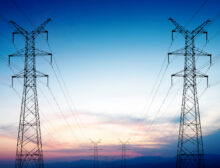
American leadership in AI computing, reindustrialization, and consumer electrification represents the first rapid increase in electricity demand since air conditioning became prevalent. This combination of energy policy problems has had the unexpected benefit of fostering bipartisan interest in growing the grid in Congress, and even between the Trump Administration and Democratic lawmakers.

Same as it ever was? Not this time. Foreign investment from a direct adversary won't end well.

The stakes are clear: Setting global standards will not only shape the future of AI but the principles embedded in its use. Chinese transportation AI exports bring governance models that emphasize centralized control and broad state access to data. For the United States, that raises concerns about privacy, transparency, and market openness in the global transportation system. The White House’s AI Action Plan outlines steps to address these risks, from accelerating deployment and streamlining regulatory approvals to expanding exports of trustworthy, safety-focused AI technologies.

Electricity demand in the U.S. is surging, driven by data centers, manufacturing, and advanced computing. Yet outdated infrastructure and a complex federal permitting process are slowing the development of new power lines and energy projects. Fortunately, bipartisan support for permitting reform is building, and could be the solution to breaking Washington's gridlock.

The world is finally waking up to the reality that the Chinese Communist Party has created a unique economic system that prioritizes power over profit, and that for the past decades, the West has fallen behind because Beijing has been playing by its own rules. Watch this panel of experts discuss how this state of play evolved, what’s at stake, and where we can go from here.
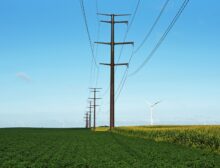
America is amidst an energy revolution, and we have a once-in-a-generation opportunity to control our destiny and realize an energy independent economy. One piece of overlooked infrastructure holds the key: high-voltage electric transmission.

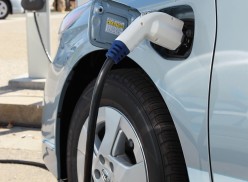
The Inflation Reduction Act, signed into law by President Biden on August 16, 2022, was the most significant signal of support for the transition to electric vehicles by the federal government. It serves as a critical part of the effort to achieve the Biden Administration’s goal that 50 percent of all new vehicles sold in 2030 are electric—an essential step toward reducing the United States’ dependence on oil.


Subscribe